Inventory Management | Inciflo – your Supply Chain Partner

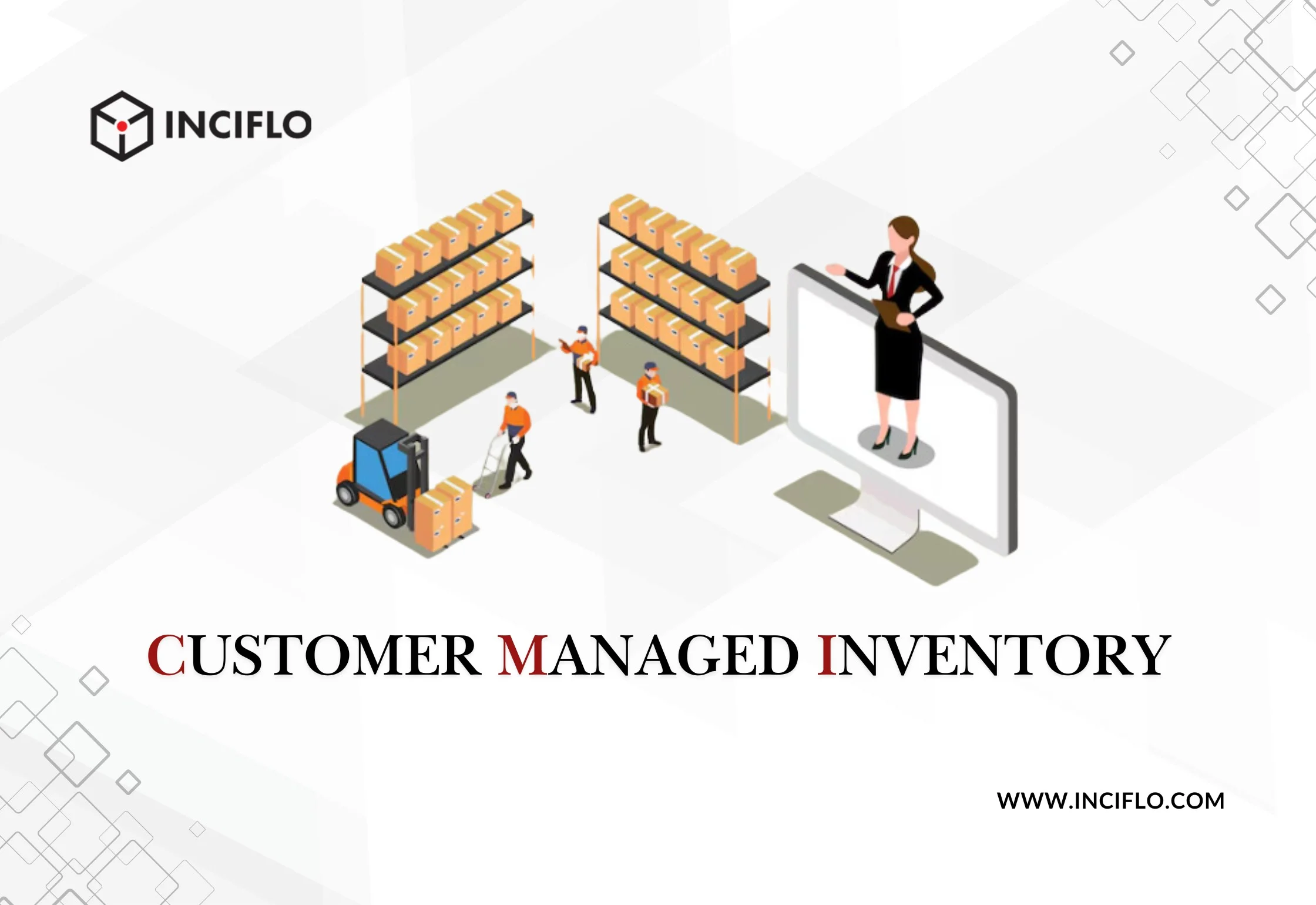
Customer-Managed Inventory (CMI): Key to Smarter Supply Chain Management
By || Inventory Management | 11 Min Read

Inventory management has become a critical aspect of operational success. Companies are adopting innovative approaches such as Customer-Managed Inventory (CMI) to streamline processes, reduce costs, and improve supply chain efficiency.

This article shares with you a guide on what CMI is, how it compares to Vendor-Managed Inventory (VMI), and why businesses are turning to inventory management systems for real-time insights and enhanced control.

What is Customer-Managed Inventory (CMI)?

Customer-Managed Inventory (CMI) is a strategy where customers manage, monitor and maintain their inventory from suppliers. Unlike Vendor-Managed Inventory (VMI), where vendors manage stock for their clients, CMI systems put the control in the hands of the customer.

Using advanced software like inventory management systems, customers track stock, create demand forecasts, and plan inventory replenishment based on real-time data. This proactive approach ensures that stock levels align closely with business needs, leading to improved efficiency and reduced waste.

CMI vs. VMI: A Comparative View

When deciding on the right inventory management model, businesses often compare Customer-Managed Inventory (CMI) and Vendor-Managed Inventory (VMI). Each has its unique strengths, and the choice depends on specific operational needs and preferences.


Feature

Customer-Managed Inventory (CMI)

Vendor-Managed Inventory (VMI)

Responsibility

Customers manage their own inventory.

Vendors handle inventory monitoring and replenishment.

Control

Full control over stock levels and replenishment.

Limited control, as vendors make stock decisions.

Inventory Costs

Reduced through efficient self-management.

Can increase if vendor strategies are misaligned.

Real-Time Visibility

Enabled through advanced CMI systems.

Often depends on vendor’s technology.

Lead Times

Shorter due to direct management by the customer.

May vary based on vendor responsiveness.

Both models have unique benefits, but CMI is particularly beneficial for businesses that value autonomy, real-time insights, and customized inventory strategies.

Benefits of Customer-Managed Inventory

Switching to Customer-Managed Inventory brings multiple advantages that enhance efficiency and reduce operational costs. Let’s explore the key benefits that make CMI systems a preferred choice for modern businesses.

1. Improved Inventory Management

With CMI, businesses have complete visibility and control over their stock. This eliminates guesswork, enhances operational efficiency, and ensures the right products are available at the right time.

2. Real-Time Visibility

Access to real-time visibility into inventory levels helps businesses respond swiftly to market demands. This reduces the risk of stockouts or overstocking and ensures better alignment with demand patterns.

3. Reduced Inventory Costs

By closely monitoring stock levels and using accurate demand forecasts, companies can significantly lower inventory costs. Efficient inventory replenishment minimizes excess stock and frees up capital for other priorities.

4. Shorter Lead Times

CMI systems enable businesses to anticipate needs and place orders proactively, reducing lead times. This is particularly useful in industries with fluctuating demand.

5. Enhanced Demand Forecasting

With advanced tools, businesses can create precise demand forecasts based on historical data, trends, and real-time insights. This predictive capability ensures businesses are always prepared for market changes.

How CMI Enhances Supply Chain Management?

Customer-Managed Inventory is a game-changer for supply chain management. By fostering collaboration between vendors and customers, CMI ensures smooth operations and optimized processes.

Key Impacts on Supply Chain:

  • Streamlined Communication: Direct management of inventory improves coordination between vendors and customers.
  • Optimized Stock Levels: Accurate monitoring ensures stock is neither too high nor too low.
  • Efficient Replenishment: Businesses can plan inventory replenishment to avoid disruptions in the supply chain.
  • Stronger Vendor Relationships: By sharing real-time data, businesses and vendors can work together to meet demand efficiently.

The Role of Technology in CMI

Modern technology plays a pivotal role in the success of Customer-Managed Inventory. Advanced inventory management systems empower businesses with:

  • Real-Time Monitoring: Track stock levels and trends instantly.
  • Analytics and Insights: Leverage data to improve decision-making.
  • Demand Forecasting Tools: Anticipate future needs with precision.
  • Integration with ERPs: Seamlessly connect with platforms like SAP, Oracle, and Zoho for end-to-end visibility.

Inciflo offers robust solutions to help businesses adopt CMI systems effectively. Our platform ensures that businesses can monitor inventory, analyze data, and collaborate with vendors in real time.

Real-World Applications of CMI

The versatility of Customer-Managed Inventory makes it suitable for various industries. By adopting CMI, businesses can unlock efficiency and agility, no matter their operational challenges.

1. FMCG Industry

Companies in the fast-moving consumer goods (FMCG) sector use CMI systems. These systems help them manage changing stock levels. They also ensure product availability and reduce waste.

2. Manufacturing

Manufacturers use CMI to maintain raw material inventories, reduce lead times, and streamline production schedules.

3. Retail

Retailers benefit from real-time visibility into sales trends, enabling them to replenish inventory efficiently and avoid stockouts during peak seasons.

Best Practices For Adopting CMI

Implementing a Customer-Managed Inventory system requires careful planning and execution. By following best practices, businesses can maximize the benefits of this strategy.

  • Invest in Technology: Use a reliable inventory management system for accurate tracking and forecasting.

  • Train Your Team: Ensure staff understands how to monitor and manage inventory effectively.

  • Collaborate with Vendors: Share data and insights to align replenishment strategies.

  • Analyze Performance: Continuously review inventory metrics to optimize processes.

Why Choose Inciflo for CMI?

At Inciflo, we specialize in delivering state-of-the-art inventory management solutions tailored to your business needs. Inciflo makes inventory management easier. You can use a Customer-Managed Inventory system or a mix with Vendor-Managed Inventory. It gives businesses real-time visibility and solutions focused on customers.

Key Features of Inciflo:

  • Real-Time Visibility for better decision-making.
  • Mobile-Friendly System: Update stock effortlessly via mobile scanning system.
  • Demand Forecasting Capabilities to stay ahead of trends.
  • Optimized Stock Levels to reduce costs and improve cash flow.
  • Custom Dashboards: Personalized insights for smarter decisions.
  • Seamless Integration with your existing systems for effortless adoption.

Conclusion: A Smarter Way to Manage Inventory

Customer-Managed Inventory offers businesses an innovative approach to inventory management. By enabling real-time control, fostering vendor collaboration, and reducing costs, CMI systems ensure a competitive edge in today’s dynamic market.

Adopting CMI not only optimizes inventory but also strengthens overall supply chain management, paving the way for long-term growth and success.

At Inciflo, we’re committed to helping you achieve these goals with cutting-edge solutions that simplify inventory management and enhance operational efficiency.

Ready to transform your inventory management? Contact Inciflo today and take the first step toward a smarter, more efficient supply chain.

Popular Posts

Discover more from Inventory Management | Inciflo - your Supply Chain Partner

Subscribe now to keep reading and get access to the full archive.

Continue reading