Inventory Management | Inciflo – your Supply Chain Partner

Vendor-Managed Inventory (VMI): The Key to Streamlined Supply Chain Efficiency
By || Vendor Managed | 14 Min Read

Businesses constantly looking for strategies that reduce costs, improve efficiency, and enhance customer satisfaction. Vendor-Managed Inventory (VMI) is one such solution that has proven to be a cornerstone of inventory management for organizations across industries. By shifting the responsibility of inventory management to the supplier, VMI fosters collaboration and efficiency.

Let’s take a look into the intricacies of VMI, its benefits, challenges, and how businesses can adopt this transformative approach seamlessly.

What is Vendor-Managed Inventory (VMI)?

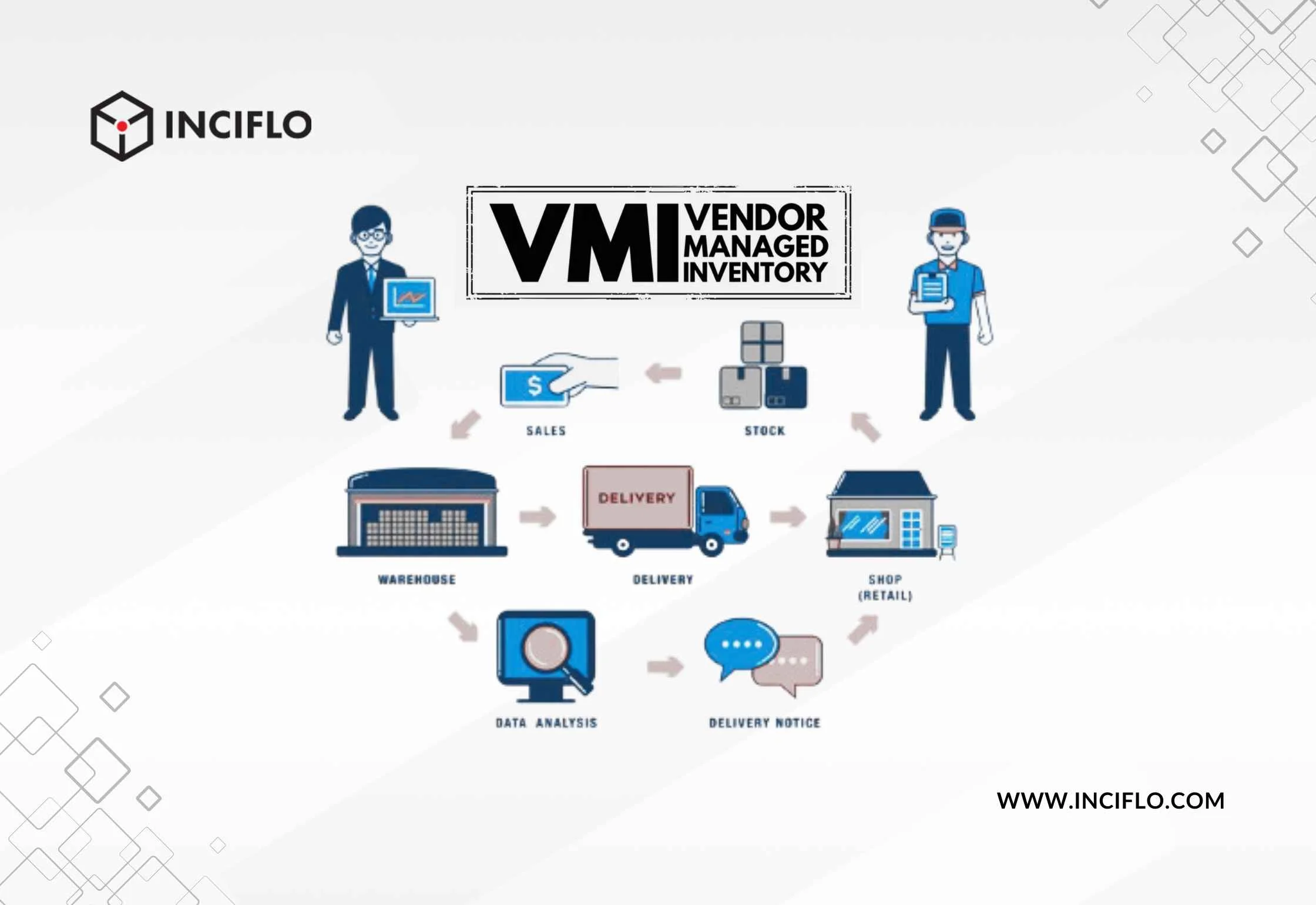
Vendor-Managed Inventory (VMI) is a collaborative inventory management strategy where the supplier is responsible for managing and replenishing inventory levels at the customer’s location. Rather than the customer initiating purchase orders, the vendor monitors stock levels and ensures timely replenishment based on real-time data and pre-defined thresholds. This approach promotes mutual benefits by aligning the objectives of both parties.

How Does VMI Work?

Vendor-Managed Inventory (VMI) operates through a collaborative framework where the supplier takes on the responsibility of managing inventory at the customer’s site. This process involves real-time data sharing, advanced systems, and proactive replenishment strategies. Here’s a closer look at the steps involved:

1. Data Sharing:

Customers share critical inventory data, including stock levels, usage rates, and demand forecasts, with vendors. This transparency enables suppliers to make informed decisions regarding replenishment.

2. Inventory Monitoring:

Vendors utilize advanced inventory management systems to track stock levels in real time. These systems alert the supplier when inventory reaches a minimum threshold, triggering replenishment activities.

3. Replenishment:

Vendors generate purchase orders based on agreed parameters and deliver stock as needed. This automated process reduces manual intervention and ensures timely restocking.

4. Performance Tracking:

Regularly monitoring metrics such as lead times, stock turnover, and sales data helps both parties optimize processes and maintain efficiency.

Advantages of Vendor-Managed Inventory

Vendor-Managed Inventory (VMI) offers a myriad of benefits to businesses, significantly enhancing their operational efficiency. By delegating inventory management responsibilities to suppliers, organizations can focus on strategic goals while maintaining optimal stock levels. Below are the key advantages that make VMI a preferred choice for modern supply chain management.

1. Increased Efficiency

VMI eliminates repetitive administrative tasks, such as manual order creation and inventory tracking. Suppliers manage stock levels, freeing customers to focus on core business operations. This improved efficiency enhances overall productivity and reduces costly errors.

2. Improved Inventory Accuracy

Accurate inventory levels are critical for smooth operations. VMI uses real-time data to predict and address stock requirements, reducing the risk of overstocking or stockouts. This precision ensures that inventory is aligned with the actual demand

3. Cost Reduction

By maintaining optimized stock levels, VMI reduces carrying costs, storage expenses, and waste from expired or obsolete products. Automation further lowers operational costs by streamlining order management processes.

4. Enhanced Collaboration

VMI fosters a partnership between suppliers and customers. Shared goals and transparent data strengthen relationships, leading to mutual benefits. This collaboration improves communication and trust.

5. Better Demand Forecasting

With access to detailed sales data and historical trends, vendors can expect future demand more accurately. This capability helps maintain a consistent supply of products, even during peak periods or seasonal fluctuations.

6. Reduced Lead Times

Proactive monitoring and replenishment processes minimize lead times. Vendors can plan deliveries, ensuring products are available when needed without unnecessary delays.

7. Improved Customer Satisfaction

By ensuring consistent product availability, VMI enhances customer satisfaction. Avoiding stockouts and providing reliable service boosts the reputation of both vendors and customers.

Challenges of Implementing VMI

Vendor-Managed Inventory (VMI) has proven to be a game-changer for many organizations, yet its implementation is not without challenges. Adopting VMI requires careful planning and addressing potential hurdles to ensure success. Below are some common challenges businesses might encounter during the process.

1. Data Reliability

Accurate and consistent data is the backbone of VMI. Errors in inventory data can lead to stock discrepancies, affecting operations and trust between suppliers and customers.

2. Integration with Existing Systems

Incorporating VMI into existing inventory management systems can be complex. Organizations may need to invest in compatible technology and align their processes with those of the vendor.

3. Vendor-Customer Trust

Successful VMI relies on mutual trust. Both parties must collaborate transparently, sharing sensitive inventory data and honouring commitments. Building this trust takes time and consistent performance.

4. Initial Setup Costs

Implementing VMI involves upfront costs, including investments in technology, training, and system integration. These initial expenses may deter some organizations despite the long-term benefits.

5. Balancing Control

Customers may feel a loss of control over inventory management. Clear agreements and communication are necessary to address concerns and ensure satisfaction with the VMI process.

How to Implement Vendor-Managed Inventory?

Implementing Vendor-Managed Inventory (VMI) requires a structured approach to ensure seamless integration into existing processes. By collaborating effectively with suppliers and leveraging advanced technology, businesses can unlock the full potential of VMI. The steps outlined below provide a roadmap for successful implementation.

1. Evaluate Current Systems:

Begin by assessing your existing inventory management processes. Identify inefficiencies and determine how VMI can address these gaps.

2. Collaborate on Objectives:

Set clear goals and expectations with your vendors. Establish service-level agreements (SLAs) that define responsibilities, metrics, and performance standards.

3. Leverage Technology:

Use advanced inventory management systems that enable real-time data sharing and monitoring. Cloud-based platforms are particularly effective for seamless collaboration.

4. Set Replenishment Parameters:

Define minimum and maximum stock thresholds that guide vendor actions. These parameters ensure inventory levels remain balanced and aligned with demand.

5. Monitor and Optimize:

Regularly review VMI performance using analytics tools. Identify areas for improvement and refine processes to achieve better results over time.

Industries Benefiting from VMI

1. Retail

  • Ensures shelves are consistently stocked, enhancing customer satisfaction and sales.
  • Reduces the administrative burden on store managers by automating inventory replenishment.

2. Manufacturing

  • Maintains uninterrupted production lines by ensuring timely supply of raw materials and components.
  • Helps reduce costly production delays caused by inventory shortages.

3. FMCG (Fast-Moving Consumer Goods)

  • Prevents stockouts of high-demand products, ensuring a steady supply chain flow.
  • Improves distributor-vendor collaboration and optimizes inventory levels.

4. Healthcare

  • Maintains critical stock levels for medical supplies and pharmaceuticals, preventing disruptions in patient care.
  • Ensures compliance with regulatory standards through detailed reporting and inventory data tracking.

5. Automotive

  • Supports just-in-time (JIT) manufacturing processes by reducing lead times and managing stock levels efficiently.

Pros & Cons of Vendor-Managed Inventory

Vendor-Managed Inventory (VMI) offers businesses a unique approach to managing inventory by transferring key responsibilities to the supplier. This method comes with distinct advantages and disadvantages that organizations must weigh carefully to determine its suitability for their operations.

Advantages:

  • Optimized Inventory: Maintains the right stock levels, avoiding excess or shortages.
  • Improved Efficiency: Simplifies processes, saving time and resources.
  • Cost Savings: Reduces storage costs and avoids costly errors in inventory management.

Disadvantages:

  • Dependency on Vendors: Customers rely heavily on vendors for accurate management.
  • Setup Complexity: Initial implementation can be challenging and resource-intensive.
  • Data Sensitivity: Sharing sales data and inventory information requires robust security measures.

Why Inciflo is Best For Vendor Managed Inventory?

For organizations seeking to optimize inventory management, Inciflo provides a comprehensive solution tailored for seamless VMI adoption. Explore its advanced features to enhance supply chain efficiency, reduce lead times, and optimize inventory processes:

  • Real-Time Data Visibility: Gain instant access to inventory data, ensuring accurate decision-making and proactive management.
  • Efficient ERP System Integration: Seamlessly connect with SAP, Oracle, and other ERP systems for streamlined operations.
  • User-Friendly Interfaces: Intuitive design with minimal learning curve for fast adoption and usability.

Inciflo revolutionizes inventory management strategies, empowering businesses to achieve operational excellence and supply chain optimization.

Conclusion

Vendor-Managed Inventory is a proven strategy to optimize inventory levels, reduce costly errors, and improve customer satisfaction. By leveraging INCIFLO VMI, businesses can streamline operations and foster stronger supplier relationships. For organizations looking to adopt this transformative approach, advanced inventory management systems provide the necessary tools to achieve seamless implementation.

Popular Posts

Discover more from Inventory Management | Inciflo - your Supply Chain Partner

Subscribe now to keep reading and get access to the full archive.

Continue reading