Inventory Management | Inciflo – your Supply Chain Partner

How Smart Logistics Works? & Steps To Track Your Order
By || Smart logistics | 12 Min Read

Logistics has transformed from traditional methods to cutting-edge solutions. Thanks to smart logistics tracking, businesses can now easily monitor packages from start to finish. This is important to both companies and customers, especially in a country like India, where online shopping and deliveries are growing fast. With real-time updates, tracking packages has always been challenging. But how does it work? Let’s dive into the basics of smart logistics and how it helps track your order.

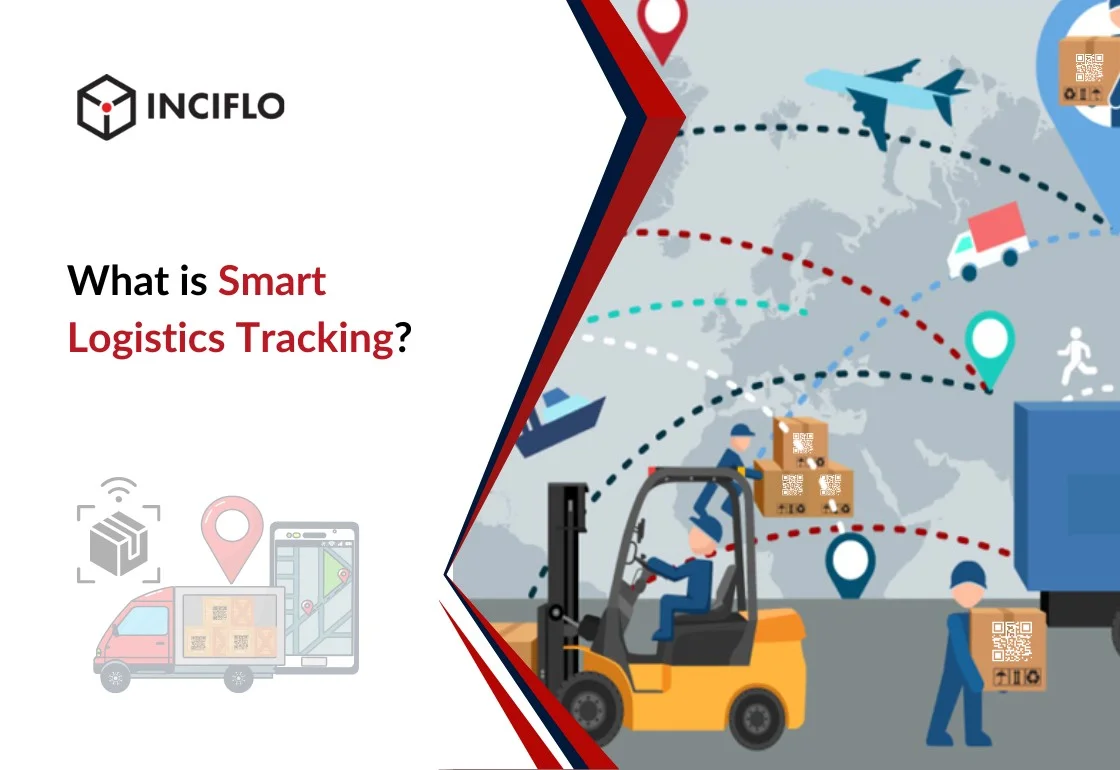
What is Smart Logistics? & Smart Logistics Tracking?

Smart logistics is a modern way of optimizing and managing  supply chain processes of goods using advanced technologies like Internet of Things (IoT), Machine Learning, Artificial Intelligence (AI). It connects all parts of the logistics, like tracking, warehousing, shipping, and customer service, into one smooth process. This helps companies deliver goods faster and more accurately.

Smart logistics tracking means monitoring and managing the movement of goods in real-time. Technologies like GPS, big data analytics, and RFID allow businesses to know exactly where their packages are at all times. Customers can also use tools to track their orders from the warehouse to their door, giving them peace of mind.

Which Key Technologies Are Used in Smart Logistics?

Several technologies help make smart logistics tracking work smoothly:

1. IoT (Internet of Things): Sensors embedded in vehicles, containers, and even packages provide data about their location, condition, and surrounding environment. IoT helps in reducing delays, monitoring conditions like temperature for sensitive products, and improving overall efficiency.

2. RFID (Radio-Frequency Identification): This technology uses electromagnetic fields to track and identify objects. RFID tags are placed on products, allowing businesses to track inventory levels and product locations in real-time.

3. GPS (Global Positioning System): GPS allows businesses and customers to track shipments as they move from the warehouse to the final destination. The precision of GPS tracking is a core component of real-time tracking.

4. Big Data & Analytics: Data from multiple sources like customer orders, weather conditions, and traffic patterns are analyzed to plan the best delivery routes.

5. AI & Machine Learning: These technologies predict demand, manage resources, and improve overall efficiency by learning from historical data patterns.

Key Benefits of Smart Logistics Tracking:

Smart logistics offers many benefits for both businesses and customers:

  • Enhanced Transparency: With real-time tracking, businesses can keep customers informed of their package status. Customers can monitor their deliveries in real-time, gaining complete transparency.

  • Better Customer Support: Customers don’t have to keep asking where their order is—they can check the status themselves.

  • Cost-Efficiency: Smart logistics can cut down on delivery costs by improving route planning and reducing delays. businesses can save on fuel, labour, and operational costs.

  • Higher Accuracy: Using RFID and AI reduces human errors in inventory management, making deliveries more accurate.

  • Faster Deliveries: Smart logistics helps companies plan routes better, making deliveries quicker.

Examples of Real-World Applications:

In India, many industries are beginning to adopt smart logistics tracking to streamline their operations. Here are some ways smart logistics tracking is used in real life:

  • E-commerce Companies: Major e-commerce players like Flipkart and Amazon use real-time tracking. Their logistics partners use GPS tracking to provide live updates to customers.

  • Pharmaceuticals: Companies track temperature-sensitive medicines using IoT sensors to make sure they are stored properly during shipping.

  • Automotive Industry: Car Manufacturers use RFID and GPS to track auto parts during the production process, ensuring timely delivery to assembly plants.

Steps to Track Your Smart Logistics Packages:

Tracking a smart logistics package is simple and efficient, thanks to the various technologies at play. Here is a step-by-step process for tracking your order:

Step 1 - Order Confirmation:

Once your order is placed, you will receive an order confirmation with tracking details. That tracking details include a tracking number, tracking ID or tracking link.

Step 2 - Package Dispatched:

The logistics company will dispatch your package from the warehouse, and you’ll receive a notification via email or SMS.

Step 3 - Real-Time Updates:

Use the tracking link provided by the logistics partner (Tracking details), to get real-time updates on where your package is.

Step 4 - Check the Status:

You’ll receive updates when the package is out for delivery, on its way, or if there’s a delay.

Step 5 - Delivery Confirmation:

Once your package arrives, the status will be updated as “Delivered”, and you’ll get a message confirming the delivery.

How Smart Logistics Works?

Here’s a simple breakdown of how smart logistics works:

  • Warehouse Management: The process begins with warehouse management, where items are tagged using RFID or barcodes in the warehouse. Real-time inventory levels are constantly monitored.

  • Transportation Planning: Advanced analytics help plan the most efficient routes for delivery, taking into account factors such as weather, traffic, and fuel costs.

  • Monitoring and Tracking: During transportation, packages are continuously tracked using GPS, and IoT sensors may be used to monitor the conditions of the goods.

  • Delivery Management: Once the package reaches the destination, the package’s delivery is confirmed through real-time tracking and electronic proof of delivery (POD).

How to Implement Smart Logistics Tracking in Your Business?

If you are a business owner, Implementing smart logistics tracking can be a game-changer for your business, enhancing efficiency and customer satisfaction. Here’s how you can integrate it using smart logistics tracking:

  1. Identify Your Needs: Figure out what kind of tracking your business needs. For example, if you ship sensitive products, you might need IoT sensors to track conditions.

  2. Choose the Right Tools: Choose the right technology from RFID tags to GPS trackers and real-time data tools that match your business size and type.

  3. Train Your Team: Make sure your staff is well-trained in handling and how to use the new technology and tools for day-to-day operations.

  4. Monitor and Improve: Keep an eye on your logistics process, and use data to improve efficiency and minimize errors.

Future of Smart Logistics:

As technology continues to evolve, the future of smart logistics tracking looks bright:

  • Autonomous Vehicles & Drones: Drones and robots may be used to make last-mile delivery, making the logistics process even more efficient and reducing delivery times.

  • Blockchain: With blockchain, the entire supply chain process will become even more transparent and secure, reducing fraud and improving accountability.

  • Artificial Intelligence: AI will play an increasing role in predicting demand, optimizing routes, and automating routine logistics tasks.

How Inciflo Can Help You in Smart B2B Logistics Tracking?

Inciflo offers a comprehensive solution for smart B2B logistics tracking, ensuring real-time visibility from manufacturing to retailers. With technologies like RFID, GPS, and IoT.

  • Businesses can monitor shipments.
  • Optimize warehouse management, and streamline transportation.
  • Inciflo enhances efficiency by providing real-time data.
  • Improving route planning, and coordinating deliveries.
  • Simplifies documentation, enhances security with IoT sensors, and supports seamless returns management.
  • Inciflo helps businesses of all sizes manage logistics efficiently.
  • Reduce costs, Scalable and adaptable.
  • Improve customer satisfaction, making it ideal for modern B2B logistics operations.

Conclusion

Smart logistics tracking is changing the way businesses handle their supply chains and deliveries. By using real-time updates, advanced technology, and data-driven insights, businesses can offer more accuracy, transparency, and faster, more fast deliveries. As new technology emerges, the future of smart logistics will continue to improve.

Popular Posts

Discover more from Inventory Management | Inciflo - your Supply Chain Partner

Subscribe now to keep reading and get access to the full archive.

Continue reading